Quick Answer
Table of contents
- Quick Answer
- Eating in New York: What to Know Before You Go
- What to Eat in New York: The Iconic NYC Foods
- Cheap Eats in NYC: Where to Eat Well Under $15
- Mid-Budget New York Restaurants: Where to Eat Between $15 and $50
- Michelin Star Restaurants in NYC: Fine Dining at the Top
- NYC Restaurants With a View: Skyline on a Plate
- Where to Eat in NYC, Neighborhood by Neighborhood
- Food Halls, Brunch, and Street Food: New York’s Signature Formats
- Eating in NYC with Special Needs
- How Much It Costs to Eat in NYC: Real Daily Budget
- Practical Tips for Eating in NYC
- Our Final Take After the Latest Walkthrough
Eating in New York: What to Know Before You Go
Dove mangiare a New York non è una domanda da gestire all’ultimo, perché la città è una mappa gastronomica gigante in cui il prezzo medio di un pasto può raddoppiare nel giro di tre isolati. Cinquemila ristoranti solo a Manhattan, oltre venticinquemila in tutti i cinque distretti, una sales tax dell’8,875% che si aggiunge sempre al conto, e una mancia attesa tra il 18 e il 20% per il servizio al tavolo. Il risultato è una matematica che spiazza chi arriva pensando di cavarsela con i conti europei. Per orientarsi senza fare passi falsi, le rotte gastronomiche curate da Il Mio Viaggio a New York bilanciano i locali iconici da fare almeno una volta nella vita e gli indirizzi quotidiani che fanno risparmiare senza rinunciare al sapore.
La buona notizia è che l’offerta è così stratificata che esiste un posto per ogni momento della giornata e per ogni budget. Una bagel breakfast a 5 dollari, un lunch break sotto i 15, un pranzo abbondante family-style a 30 a testa, una cena di alta cucina a tre cifre. La logica con cui abbiamo costruito questa guida segue quella stratificazione, scorrendo dal basso verso l’alto.
What to Eat in New York: The Iconic NYC Foods
New York cuisine does not exist as a single dish; it exists as a layering of traditions that have met on the sidewalks. What to eat in New York means choosing between the Jewish bagel, adapted Neapolitan pizza, Austro-Hungarian pastrami, New England lobster roll, and Italian-American cheesecake. These are the typical dishes of New York, edible reflections of the waves of immigration that have shaped the city.
A quick thematic overview can start with New York’s food icons, a short list of must-tries that works as a compass.
Bagel with Cream Cheese and Lox
Round, dense, with a hole in the center and boiled before baking: the New York bagel comes from the late 19th-century Ashkenazi tradition and is a breakfast worth the trip. It is typically filled with cream cheese, lox (cold-smoked salmon), capers, and red onion.
New York-Style Pizza Slice
Thin, wide, meant to be eaten standing up and folded like a wallet so the toppings don’t fall off. It costs just a few dollars and is also the favorite snack of people who have lived in the city for twenty years. Salt and powdered Parmesan on pizzeria counters are there to be used.
Pastrami Sandwich
Salted beef, marinated for weeks, smoked for days, steamed, and then hand-sliced. Pastrami is the signature dish of the Jewish delis of the Lower East Side. The historical reference is Katz’s Delicatessen, operating since 1888, where the sandwich costs about $28.95 but weighs nearly half a kilo.
Lobster Roll
Maine lobster, light mayonnaise or melted butter, toasted bun. An imported specialty from New England that has found fertile ground in New York. For the right spots, it’s worth reading our guide on where to eat lobster in New York.
New York Cheesecake
Dense, tall, and compact, made with cream cheese (Philadelphia, which actually originated in New York in 1880). No water-bath baking in the classic version, and no fruit toppings in the purist tradition.
Hot Dogs and Soft Pretzels
Five dollars, a bench on Fifth Avenue, mustard and ketchup: the street-cart hot dog is the food anchor for anyone exploring the city on foot. The large, soft, salted pretzel is the Austro-German version of the same philosophy.
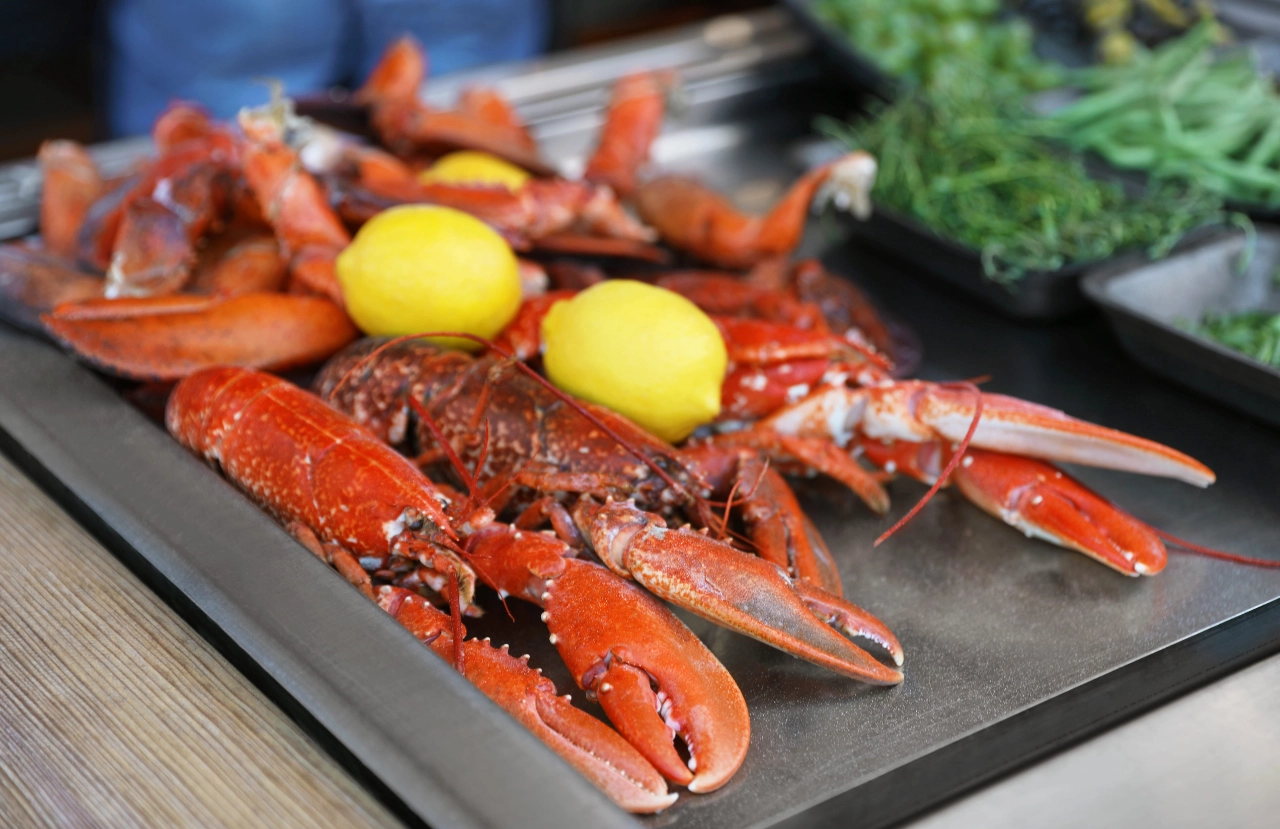
Dove mangiare a New York spendendo poco: gli indirizzi sotto i 15 dollari
Eating on a budget is also possible in Manhattan, as long as you accept the rules of the game: fast checkout, no tables, lines that can get long, and kitchens that speak the language of the neighborhood. For where to eat in New York on a budget, our selection focuses on six spots drawn from our fieldwork, which can be complemented with our guide to meals under ten dollars for those who want to push the budget even lower.
Joe’s Pizza, Greenwich Village
Sette Carmine Street, on the corner of Bleecker. Opened in 1975 by Joe Pozzuoli, originally from Naples, it is the slice joint that New York Magazine calls “the quintessential New York slice.” The classic slice costs around $4, while the version with fresh mozzarella is one dollar more. Open until 3 a.m. (4 a.m. on weekends), perfect after a night out.
The Halal Guys, Midtown
Legendary food cart on the corner of West 53rd Street and Sixth Avenue. Started in 1990 as a hot dog stand for Muslim taxi drivers, since 1992 it has been serving chicken and gyro over rice in paper plates costing around $11. The white sauce and red hot sauce are its signature: the latter is truly spicy and used in small drops. Open from 10 a.m. until 4 a.m.
Xi’an Famous Foods, Multiple Locations
Family-run chain that started in a Flushing basement in 2005, now with locations in Chinatown, the East Village, Times Square, and elsewhere. Spicy cumin lamb hand-pulled noodles, freshly pulled biang biang noodles, and steamed dumplings. Anthony Bourdain named it one of his favorite spots. You can get a solid meal for around $11 to $14.
Los Tacos No.1, Chelsea Market and Beyond
Three friends from Tijuana and Brawley opened the first food stall in 2013 inside Chelsea Market, where orderly lines can still be seen in front of the white kiosk. Tacos de adobada (marinated pork cooked on a vertical spit with pineapple on top), asada, chicken, and nopal cost around $6 each. Corn tortillas are made and toasted on the spot. No seating—everything is eaten standing up. Later locations expanded to Hudson Yards, Times Square, and the Lower East Side.
Smorgasburg, Brooklyn and Manhattan
The New York Times called it “the Woodstock of food.” Smorgasburg is the largest open-air food market in America, operating since 2011 every weekend from April to October. Seventy curated vendors, world cuisines side by side: Chinese dumplings, Mexican tacos, Japanese mochi, ramen, artisanal doughnuts. You can spend $15–$20 and eat for hours.
On Saturdays it takes place in Williamsburg (Marsha P. Johnson State Park), on Sundays in Prospect Park (Breeze Hill), and on Fridays at the World Trade Center (the Oculus). To plan your visit, it’s worth reading our dedicated guide to Smorgasburg.
Mamoun’s Falafel, Greenwich Village
Historic spot on MacDougal Street, open since 1971, considered one of the first falafel shops on the East Coast. Falafel sandwiches under $7, hummus pita platters around $11. Open until 5 a.m., it’s a lifesaver for students from nearby NYU.
Mid-Budget New York Restaurants: Where to Eat Between $15 and $50
The mid-range category best describes the typical daily meal for a New Yorker. The average bill is around $30–$40 per person, including taxes and tip, with options ranging from gourmet burgers to historic delis, from upscale bagels to family-style Italian restaurants. These are places where it’s worth sitting down and taking your time.
Shake Shack Madison Square Park
The original location of the entire chain is still here, at the corner of 23rd Street and Madison Avenue, inside the park. It started in 2004 as a hot dog kiosk by Danny Meyer to support the revitalization of Madison Square Park, and it has since become a mini multinational. The ShackBurger costs around $9, and the creamy frozen custard is worth every cent. Outdoor tables under the trees, views of the Flatiron Building, and a relaxed urban picnic atmosphere.
Lombardi’s Pizza, Little Italy
32 Spring Street, at the corner of Mott. The historic plaque at the entrance defines it as “America’s First Pizzeria,” a recognition from the Pizza Hall of Fame. Officially opened in 1905 by Gennaro Lombardi, a Neapolitan immigrant, it still bakes today in a coal-fired oven at around 800°F, which gives the crust its distinctive charred edge. A Margherita pizza for two costs around $30–$35, and among the most popular items on the menu is the classic with fresh fior di latte mozzarella and basil. Red-and-white checkered tablecloths, a soundtrack of tarantellas and Italian-American singers.
Russ & Daughters, Lower East Side
179 East Houston Street, since 1914. Founded by Joel Russ, a Polish immigrant who started out with a pushcart, it is one of the last “appetizing stores” in New York—traditional Jewish delicatessens specializing in smoked fish, cream cheese, and other bagel accompaniments. Today it is in its fourth generation, run by cousins Niki Russ Federman and Joshua Russ Tupper. A bagel with Gaspe Nova salmon, scallion cream cheese, capers, and red onion costs around $21. There is no seating in the historic shop, but the nearby Russ & Daughters Cafe on Orchard Street offers a sit-down option.
Katz’s Delicatessen, Lower East Side
205 East Houston Street, since 1888, the oldest deli in New York. The pastrami sandwich is its signature dish, and it also appears in “When Harry Met Sally.” You order at the counter, get a ticket, hand it to the slicer, and leave a small tip in exchange for a complimentary sample of hand-carved pastrami. The sandwich costs about $28.95 but weighs nearly half a kilo: a single portion is enough for two people. Open until late at night. For a deeper dive into this iconic dish, there is our guide on where to eat pastrami in New York.
Carmine’s, Times Square
200 West 44th Street, since 1990. Artie Cutler’s concept is “Sunday dinner at Grandma’s” brought to a restaurant setting: southern Italian family-style cuisine, with enormous portions designed for sharing. A Caesar salad priced at $33 can feed four people, while a portion of chicken parm or penne alla vodka is enough for three diners. The average bill for two people, sharing dishes, stays under $50 per person. It’s an ideal pre-show meal for anyone heading to Broadway, as the theaters are just around the corner.
Ippudo, East Village and Midtown
Japanese chain that arrived in New York from Kyushu in 2008, it is one of the city’s benchmark ramen houses. The signature Akamaru Modern (tonkotsu broth, miso paste, black garlic) costs around $19, while additional appetizers bring the total bill to between $30 and $40. Lively atmosphere, with long waits on weekends.
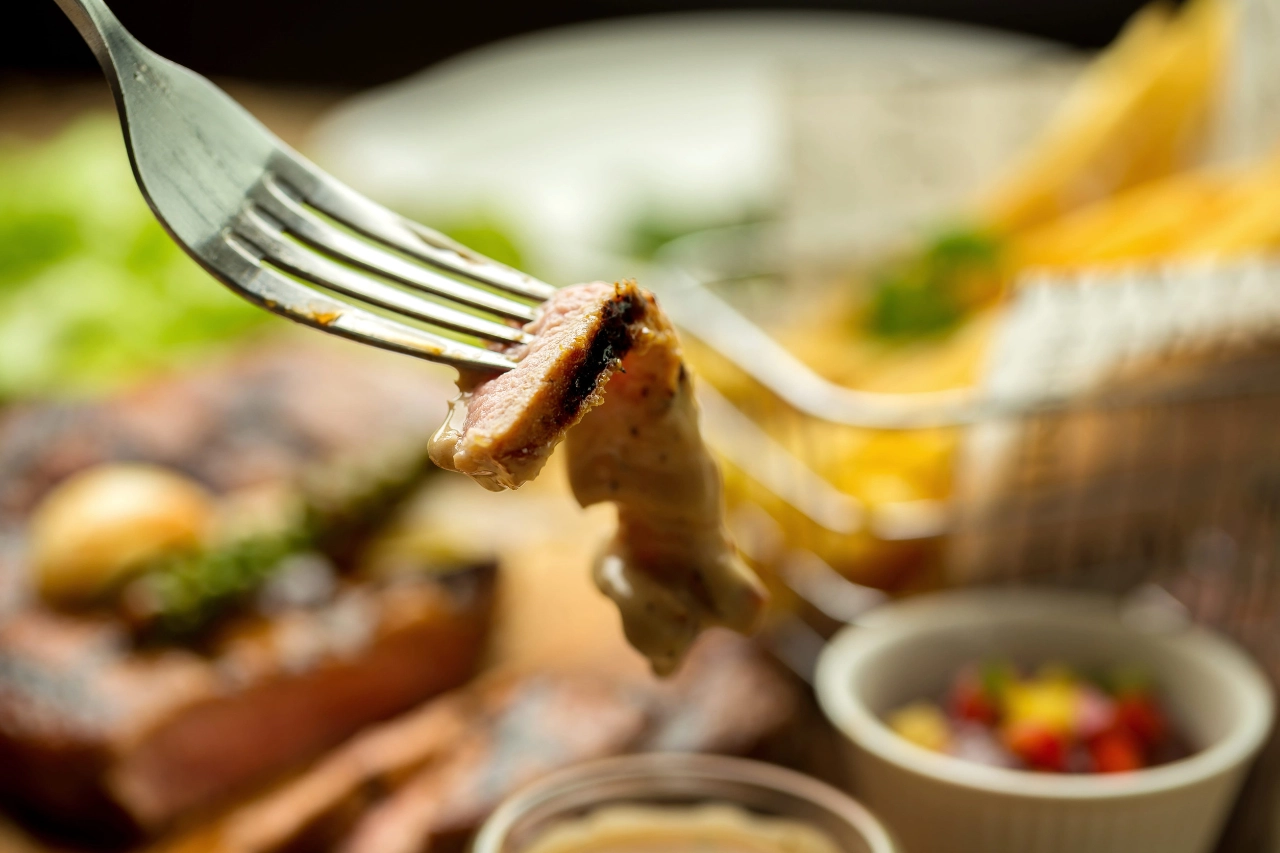
Ristoranti stellati a New York: la cucina d’autore
The Michelin-starred restaurants in New York City number 72 according to the 2025 Michelin Guide, distributed across three, two, and one star. Five hold three stars, the highest level of the ranking: Eleven Madison Park, Jungsik, Le Bernardin, Per Se, and Sushi Sho (the most recent addition, promoted from two to three stars in the 2025 edition).
For an Italian audience used to the European Michelin scale, it is useful to remember that in New York, three-star restaurants are never more than a handful. Booking one to two months in advance is the rule, not the exception. A broader overview, including prices and booking windows, is collected in our guide to the best Michelin-starred restaurants in New York.
Eleven Madison Park (3 stelle)
Eleven Madison Park, 11 Madison Avenue, at the corner of 24th Street, located at the base of the Art Deco Metropolitan Life North Building. It has held three Michelin stars continuously since 2012 and reached first place in the World’s 50 Best Restaurants in 2017.
After four years of a fully plant-based menu, on October 14, 2025, chef Daniel Humm reintroduced some animal proteins (including the signature honey and lavender-glazed duck, oysters, and lobster), while still keeping a fully vegan option available. The full tasting menu costs $385 per person, while the bar tasting menu is $225. Reservations open on the first day of each month for the following month via Resy.
Le Bernardin (3 stelle)
155 West 51st Street, Midtown. Opened in its New York location in 1986 by the Le Coze brothers, and led since 1994 by French chef Eric Ripert. It has held three Michelin stars since 2005 and four New York Times stars for nearly forty years, a unique record in the city.
Specializing in fish and seafood, the menu is structured into three sections: “Almost Raw,” “Barely Touched,” and “Lightly Cooked.” The chef’s tasting menu in the main dining room is the highlight, but in the lounge it is possible to walk in without a reservation and order a $94 prix fixe menu with three courses and a donation to City Harvest.
Per Se (3 stars)
Per Se, on the 10th floor of the Time Warner Center at Columbus Circle, with views over Central Park. It is the New York version of Thomas Keller’s legendary French Laundry in Yountville. It has held three Michelin stars since 2006. The nine-course tasting menu changes daily, with a muted and formal atmosphere and a strict business casual dress code.
Jungsik (3 stars)
Jungsik, on Harrison Street in Tribeca. Contemporary Korean cuisine with a modern reinterpretation, awarded three Michelin stars since 2024. The tasting menu moves between classic Korean ingredients (jeon, bibimbap, ginseng) and Western techniques, in a modern, intimate setting.
Atomix (1 stella, 2 Michelin Keys per hotel)
Atomix, 104 East 30th Street, NoMad. Contemporary Korean counter omakase by chef Junghyun Park. Fourteen seats, with a tasting menu narrated card by card. One Michelin star, but with a waiting list that makes it feel like a three-star restaurant.
NYC Restaurants With a View: Skyline on a Plate
When it comes to where to have dinner in New York, shifting the focus from flavor to atmosphere, the options are endless: rooftops, restaurants at the top of skyscrapers, and the city’s only revolving restaurant. The price of a dinner with a view is high (a Manhattan dinner with a skyline view starts at around $80–$100 per person and often exceeds $150), but it’s the kind of evening that stays with you for a long time. Here are three places that never disappoint, along with our more complete selection of must-visit spots for dinner with a view in New York.
The View Restaurant & Lounge, Marriott Marquis
The View Restaurant & Lounge, the only revolving restaurant in New York City, located on the 48th floor of the Marriott Marquis on Broadway between 45th and 46th Street, in the heart of Times Square. One full rotation takes exactly one hour, enough time to enjoy dinner while watching the Theatre District move below.
New American cuisine, with à la carte dinner prices around $90–$130 per person, and a Sunday brunch for $59 including two mimosas. For more details on prices and menus, there is our dedicated guide to The View. Dinner service runs from 5:30 p.m. to 10:00 p.m., extended until 11:00 p.m. on Fridays and Saturdays.
230 Fifth Rooftop, Flatiron District
230 Fifth Rooftop Bar is more of a rooftop bar than a fine-dining restaurant, but with a view of the Empire State Building that can make you skip the observation decks altogether. The covered penthouse is open year-round, with heated igloos in winter and a panoramic rooftop garden in summer. Cocktails cost around $20, while finger foods are priced around $18.
Manhatta, Financial District
Manhatta, on the 60th floor at 28 Liberty Street, offers 360-degree views over Lower Manhattan, the Statue of Liberty, and the East River. Contemporary American cuisine, with a prix fixe dinner around $145, in a setting that feels less touristy than The View and better suited for those looking for a refined evening.
Dove mangiare a New York quartiere per quartiere
The question “where to eat in Manhattan” shifts the focus from what to where. Every neighborhood has its own map, its own concentration of flavors, and its own dining scene.
Little Italy and Chinatown
Little Italy today is a small stretch of Mulberry Street between Canal and Houston, reduced compared to the past but still lively on weekends. Where to eat in Little Italy, New York means choosing between the historic landmark Lombardi’s Pizza, the classic Da Nico Ristorante for traditional pasta, and Rubirosa for ultra-thin round pizza.
Just south, beyond Canal Street, true Chinatown begins: where to eat in Chinatown, New York is a choice between Joe’s Shanghai for soup dumplings, Wo Hop on Mott Street for old-school Cantonese cuisine, and Great NY Noodletown for roast duck and noodle dishes. Meals typically range from $15 to $25 per person.
Times Square e Midtown
A zone often described as a “food tourist trap,” but some spots have stood the test of time: Carmine’s Italian Restaurant for family-style Italian dining, The Halal Guys at the corner of Sixth Avenue, Junior’s Restaurant for cheesecake and classic diner-style food, and John’s Pizzeria in Times Square for thin-crust pizza.
For celiac diners, there is our mini-guide to gluten-free restaurants near Times Square that can save a pre-show lunch. When it comes to where to eat in New York’s Times Square area, the advice is to book in advance: pre-Broadway timing is unforgiving.
SoHo, Greenwich Village and East Village
The most “creative restaurant” area of the city. Where to eat in SoHo, New York means Balthazar for French bistro dining, Cipriani Downtown for Italian-style Bellinis, and Lombardi’s Pizza right on the edge of Little Italy.
Greenwich Village is home to Joe’s Pizza and Mamoun’s Falafel, as well as historic diners like Waverly Restaurant. The East Village is the neighborhood of ramen at Ippudo NY, Polish comfort food at Veselka, and Mexican casual dining at Empellón Taqueria.
Brooklyn: Williamsburg and Dumbo
Williamsburg is now the food heart of Brooklyn: from pizzaiolo Roberta’s with its signature margherita, to Smorgasburg every Saturday along the East River, to Korean pop-ups on Bedford Avenue. For those who want the most complete experience, our guide to the best Italian pizzerias in Brooklyn is a good starting point.
DUMBO, under the Manhattan Bridge, is home to Time Out Market (a high-quality food hall) and Juliana’s Pizza, the pizzeria of Patsy Grimaldi, who returned to making pizza in the neighborhood where he originally started.
Food Halls, Brunch, and Street Food: New York’s Signature Formats
Three formats that in New York have found their most mature expression, perfect for those who want to taste a lot without making any reservations.
The Best Food Halls in NYC
The New York food hall is the contemporary version of the covered market: one roof, dozens of stalls, global cuisines. Chelsea Market, inside the former Nabisco factory (where the Oreo was invented in 1912), is the historic benchmark, with Los Tacos No.1, The Lobster Place, Miznon, and Black Seed Bagels. Eataly Flatiron, in front of the Flatiron Building, is the small but great temple of Italian products in the city; Eataly Downtown (at One World Trade Center / WTC 4 area) has more light and fewer crowds. Time Out Market New York in DUMBO hosts 21 kitchens selected by the Time Out editorial team. Tin Building at the South Street Seaport, designed by Jean-Georges Vongerichten, is the most ambitious new arrival. The full list is in our guide to the best food halls in New York City.
Brunch in NYC, the Weekend Ritual
New York brunch is not just a longer version of breakfast; it’s a social ritual that starts at 11 a.m. on Saturdays and stretches until 4 p.m., with unlimited coffee (bottomless), mimosas, or Bloody Marys in the drinks-included versions. Classic addresses: Clinton St. Baking Company (legendary blueberry pancakes, Lower East Side), Sarabeth’s (Upper West Side, since 1981), Jacob’s Pickles (Upper West Side, Southern comfort food). For spending under twenty dollars per person, there is our selection of budget-friendly American brunch spots. For those who want to start the day in a quicker way, we’ve also put together a list of breakfast places loved by New Yorkers.
Street Food and Food Trucks
New York street food has its own well-documented prestige: hot dog carts, salted pretzels, halal carts, Greek gyros, taco trucks. Smorgasburg is the permanent weekend food festival, but the carts recognized by the Vendy Awards (a New York award given to the best street vendors) are spread throughout the city: King of Falafel & Shawarma in Queens, Calexico near the Museum of Modern Art (MoMA), NY Dosas at Washington Square Park for South Indian cuisine. Typical cost: between $6 and $14 for a meal.
Eating in NYC with Special Needs
Vegan and Plant-Based
New York’s vegan scene is one of the richest in the world.
Dirt Candy in the Lower East Side (chef Amanda Cohen, Michelin-starred) leads the way, alongside Beyond Sushi for colorful vegan sushi, and Superiority Burger in the East Village for a plant-based take on the classic fast-food burger. For a broader selection, we’ve curated the best vegan restaurants in New York City.
Gluten-Free
Senatore Risotto in SoHo, Friedman’s with its various Manhattan locations, and Risotteria Melotti (all strictly certified gluten-free). For those looking for a quick option near the theaters, we’ve dedicated a specific article to gluten-free restaurants near Times Square already linked in the Midtown section.
Dining With Kids
Classic family-friendly restaurants include Ellen’s Stardust Diner in Times Square (waiters who sing live Broadway performances), Serendipity 3 on the Upper East Side for its famous frozen hot chocolate, and Bubba Gump Shrimp Co., inspired by the film Forrest Gump.
Our guide to the best family-friendly restaurants in New York is the ideal starting point when visiting with children.
Healthy Eating
New York’s healthy food scene is driven by chains that grew up in the Big Apple: Sweetgreen for salads, Just Salad for bowls, Le Pain Quotidien for organic tartines, and By Chloe (now Chloe) for plant-based takeaway cuisine. Eating healthy in New York is now easier than in almost any other global food capital, even on a lunch budget under $18.
How Much It Costs to Eat in NYC: Real Daily Budget
The question “how much does it cost to eat in New York” doesn’t have a single answer, but rather a set of reliable estimates built up visit after visit. With taxes and tip included, per person, these are the realistic price ranges.
| Where to Eat in NYC: The Complete Guide for Every Budget | Average cost per person | Typical example |
|---|---|---|
| Breakfast bagel + coffee | 10-15 USD | Bagel cream cheese in deli + drip coffee |
| A full breakfast at a diner | 18-30 USD | Pancakes or eggs benedict, sides, bottomless coffee |
| Slice of pizza + drink | 6-9 USD | Joe’s, Prince Street Pizza, Scarr’s |
| Halal cart or falafel | 12-16 USD | The Halal Guys, Mamoun’s |
| Food hall lunch | 18-30 USD | Chelsea Market, Time Out Market |
| Ramen / hand-pulled noodles | 22-35 USD | Ippudo, Xi’an Famous Foods |
| Lunch at the full-service restaurant | 35-55 USD | Neighborhood bistro, ethnic restaurant |
| Dinner at a casual restaurant | 45-75 USD | Italian family-style, gastropub |
| Dinner at the restaurant with a view | 100-160 USD | The View, Manhatta |
| One-Michelin-star tasting menu | 150-250 USD | Atomix, Dirt Candy, Casa Mono |
| Three-Michelin-star tasting menu | 350-450 USD | Eleven Madison Park, Le Bernardin |
Prices recorded in April 2026. Rates may vary; always check the individual venue’s page before booking.
A typical daily budget for travelers in a “casual but varied” style is around $90–110 per person, including a quick breakfast, informal lunch, and restaurant dinner. Those looking to cut costs, using our guide on how to save money in New York, can bring it down to $55–70 by alternating bagels, pizza slices, food halls, and modest dinners.
Practical Tips for Eating in NYC
Tipping in New York: The Unwritten but Almost Mandatory Rule
In the United States, tipping is not optional in spirit, even if it is in form. The New York standard is 18–20% of the pre-tax total for table service, with 15% being acceptable only in cases of truly poor service, and 5–10% for takeout. For groups of six or more, many restaurants automatically apply an 18–20% gratuity: check the bill before adding an additional tip.
A quick trick: New York sales tax is 8.875%; doubling it gives you roughly 17.75%, which is close to the minimum standard tip.
Reservations: When They’re Mandatory
For Michelin-starred restaurants, reservations open on the first day of each month for the following month: you need to be ready on Resy or OpenTable right at 9 a.m. East Coast time (3 p.m. Italian time). For casual restaurants in tourist areas (Times Square, SoHo, Flatiron), booking a couple of days in advance is a safe bet, especially on weekends. For food halls, slice shops, halal carts, and street food: no reservation needed, you just line up.
The A, B, C Letters in NYC Restaurant Windows
All restaurants in New York display a health inspection grade in their window assigned by the Department of Health: A is the best, B is acceptable, C is concerning, and Grade Pending means an inspection is in progress. The general rule of thumb for the average New Yorker is “never enter a place with a C in the window.” To better understand the system, we have dedicated a specific article to the meaning of the letters displayed in restaurant windows.
Meal Times
In New York, people dine earlier compared to Italian standards. Lunch is concentrated between 12:00 and 2:30 p.m., and dinner between 6:00 and 9:00 p.m. in traditional restaurants, extending up to 11:00 p.m. in more modern venues. After 10:00 p.m., options become more limited to slice shops, halal carts, and diners open all night. Japanese restaurants often close at 10:00 p.m., and Michelin-starred restaurants take their last order around 9:30 p.m.
Our Final Take After the Latest Walkthrough
During our latest site visit in Manhattan, in May 2026, we took a few days to explore three price ranges in the same itinerary: from a bagel breakfast at Russ & Daughters to a slice at Joe’s Pizza, from a family-style dinner at Carmine’s to a tasting menu at Le Bernardin.
The thread connecting all these experiences is simple: eating in New York is not about choosing the most expensive or the cheapest restaurant, but about alternating different styles. A modest breakfast and a memorable dinner are worth far more than three average dinners that all feel the same.
A pizza standing up on Carmine Street, a slow brunch on the Lower East Side, an evening high above the city with the skyline spinning: these three moments tell the story of New York better than any review.
To build a food itinerary that balances iconic, affordable, and experiential dining, the Il Mio Viaggio a New York magazine collects dozens of thematic deep dives to combine with this main guide. The Big Apple is eaten one bite at a time: the right approach is to arrive hungry and leave a little more satisfied with the city.
Frequently Asked Questions about Where to Eat in New York
A realistic budget is $90–110 USD per person per day for those alternating a quick breakfast, informal lunch, and a restaurant dinner. It drops to $55–70 USD by shifting every meal to slices, food halls, and street food. It can easily exceed $250 USD with a fine dining dinner or a Michelin-starred tasting menu.
Joe’s Pizza for a classic slice, The Halal Guys for a halal platter, Xi’an Famous Foods for hand-pulled noodles, Los Tacos No. 1 for Mexican tacos, Mamoun’s for falafel, and Smorgasburg for the weekend food festival. In all of these cases, you can get a full meal for under $15.
There isn’t a single typical dish: New York cuisine is the sum of waves of immigration. The most recognizable symbols are the bagel with cream cheese, a slice of pizza, the pastrami sandwich, the lobster roll, cheesecake, and the hot dog from a street cart.
A classic slice costs between 3.50 and 5 USD in historic neighborhood pizzerias. A whole pizza in traditional pizzerias (Lombardi’s, John’s of Bleecker Street) ranges from 25 to 40 USD. Gourmet pizza in chef-driven restaurants (Roberta’s, Marta) ranges from 22 to 28 USD for a Margherita.
The standard in restaurants is 18–20% of the bill before tax, 15% only for poor service, and 5–10% for takeout. Groups of six or more often find an automatic gratuity already included: check the “gratuity” line before adding anything extra.
Ellen’s Stardust Diner in Times Square with Broadway singing waiters, Serendipity 3 on the Upper East Side for the frozen hot chocolate, Carmine’s for family-style portions, Shake Shack for the essential burger, and food halls like Time Out Market for variety that suits the whole family.
Five have three stars in the 2025 guide: Eleven Madison Park, Jungsik, Le Bernardin, Per Se, and Sushi Sho. Tasting menus start from 350–400 USD per person, and reservations open on the first day of each month for the following month.
Lombardi’s for historic pizza, Carbone in Greenwich Village for high-end Italian-American cuisine, Rubirosa for Roman-style pizza, Carmine’s for Southern Italian family-style dining, Eataly for a complete Italian experience under one roof, and Piccola Cucina for authentic Sicilian cuisine (as we mentioned in the article: if you miss Italy in New York, go to Piccola Cucina).
Almost always, yes. Some historic places (Joe’s Pizza, some halal carts) still accept cash only: it’s best to have 30–40 USD in cash as backup. All major cards are accepted everywhere, and Apple Pay and Google Pay are now standard.
The View for a revolving dinner over Times Square, Manhatta for 360-degree views of the Financial District, One Dine at the World Trade Center for dining 1,000 feet above ground, Per Se for a high-end special occasion, and The River Café under the Brooklyn Bridge for the most cinematic skyline view.
Yes, especially for lunch or for groups traveling with different tastes. A food hall like Chelsea Market or Time Out Market allows each person to choose whatever cuisine they want, with no reservation needed, and an average cost of 18–28 USD per person. The quality is generally high because the vendors are carefully selected.
Many restaurants remain open, especially large Italian ones (Carmine’s, Da Nico), major hotels, and historic diners. Steakhouses and hotel restaurants often offer prix fixe menus for the holidays. It’s important to check in advance: some family-run restaurants close on December 25th. Food halls also have reduced hours on holidays.